
A Legacy Video for Your Children: What to Say, Where to Store It, and How to Keep It Private
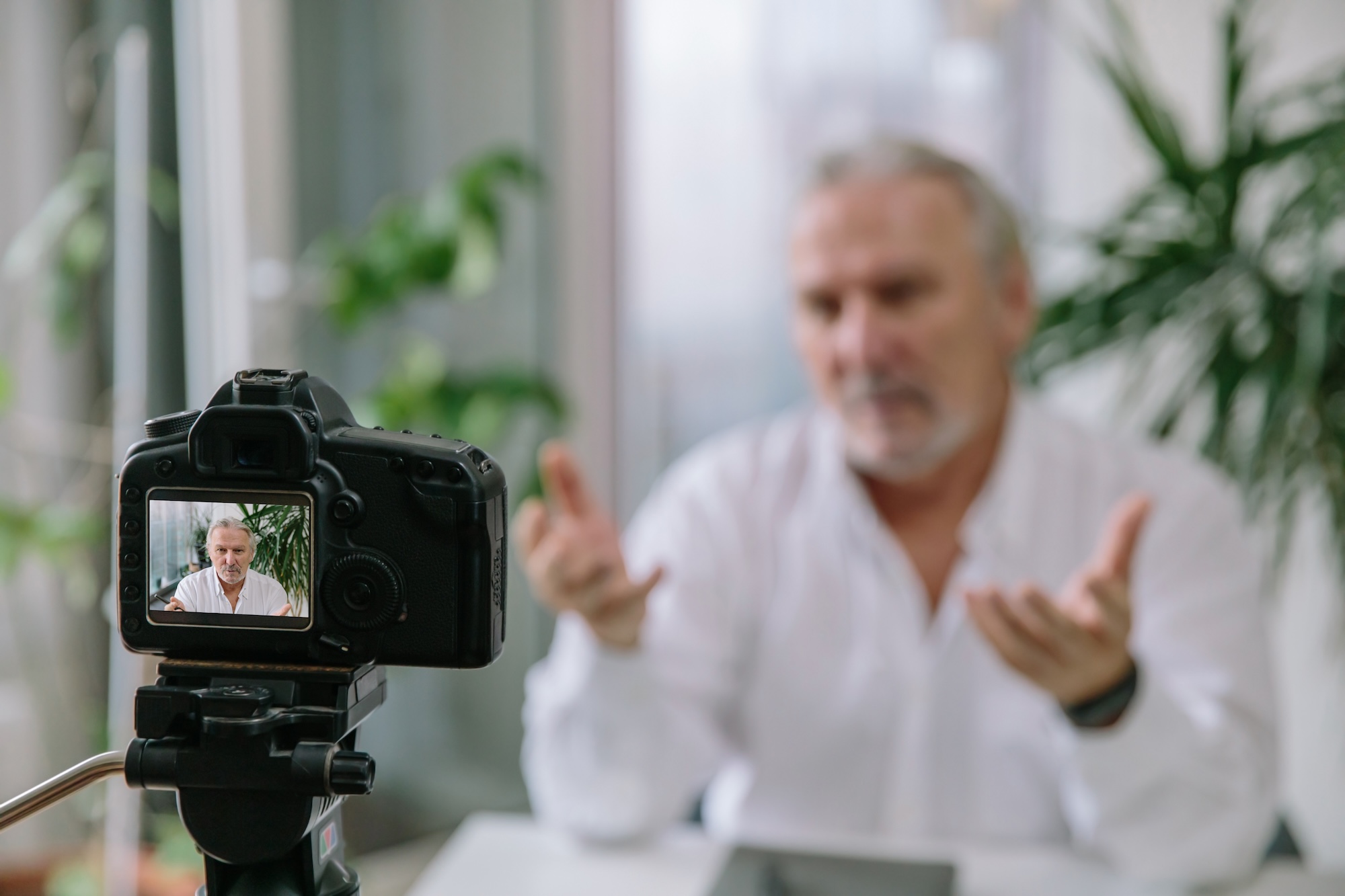
One day, your children may want more than the things you left behind.
They may want to hear the way you said their name. They may want the story of how you met their other parent, the advice you gave when life felt uncertain, or the laugh that always came before your favorite family story.
A legacy video gives them that gift; legacy is not limited to money or property. Record stories, lessons, values, and wisdom so loved ones can hear those messages in the person’s own voice.
The video doesn’t need to be perfect; it only needs to sound like you.
What to Say in a Legacy Video
Start with love.
Tell your children what you admire about them. Share what you remember about the day they were born, a moment that made you proud, or an ordinary afternoon you never wanted to forget.
Then talk about the experiences that shaped you.
What did your parents or grandparents teach you? Which mistake changed the way you lived? What helped you through a difficult season? What do you hope your children remember when they face disappointment, love, parenthood, or loss?
Cover values, relationships, challenges, and family traditions. Those stories help future generations understand what happened and what the family learned from it.
You might also explain the heart behind your estate planning choices. Keep the legal instructions in the proper documents, but use the video to share the love, priorities, and hopes that guided those decisions.
How to Make the Recording Feel Natural
Forget about professional lighting, a memorized speech, or a perfect background.
Choose a quiet place where you feel comfortable. Imagine you’re speaking to your children across the kitchen table. Look at the camera when it feels natural, but don’t worry about maintaining eye contact every second.
Short recordings may feel easier than one long video. You could create one message about family history, another about values, and another for each child.
Don’t edit away every pause or emotional moment. The small imperfections often make a recording feel real.
Legacy recordings can make the process easier and help people share memories they might not otherwise think to preserve.
Where to Store the Video
A meaningful recording shouldn’t exist in only one place.
The Cybersecurity and Infrastructure Security Agency recommends keeping three copies of important files, using two different storage types, with one copy stored away from the primary location. For a legacy video, that might mean keeping one copy on a secure computer, another on an encrypted external drive, and a third in protected cloud storage.
Use clear file names so the video can be recognized later. Include the recording date and a simple description, such as “Family Stories for the Children.”
Don’t place account passwords or security codes directly in a will. Instead, leave separate instructions explaining where the video is stored and how the trusted person can obtain authorized access.
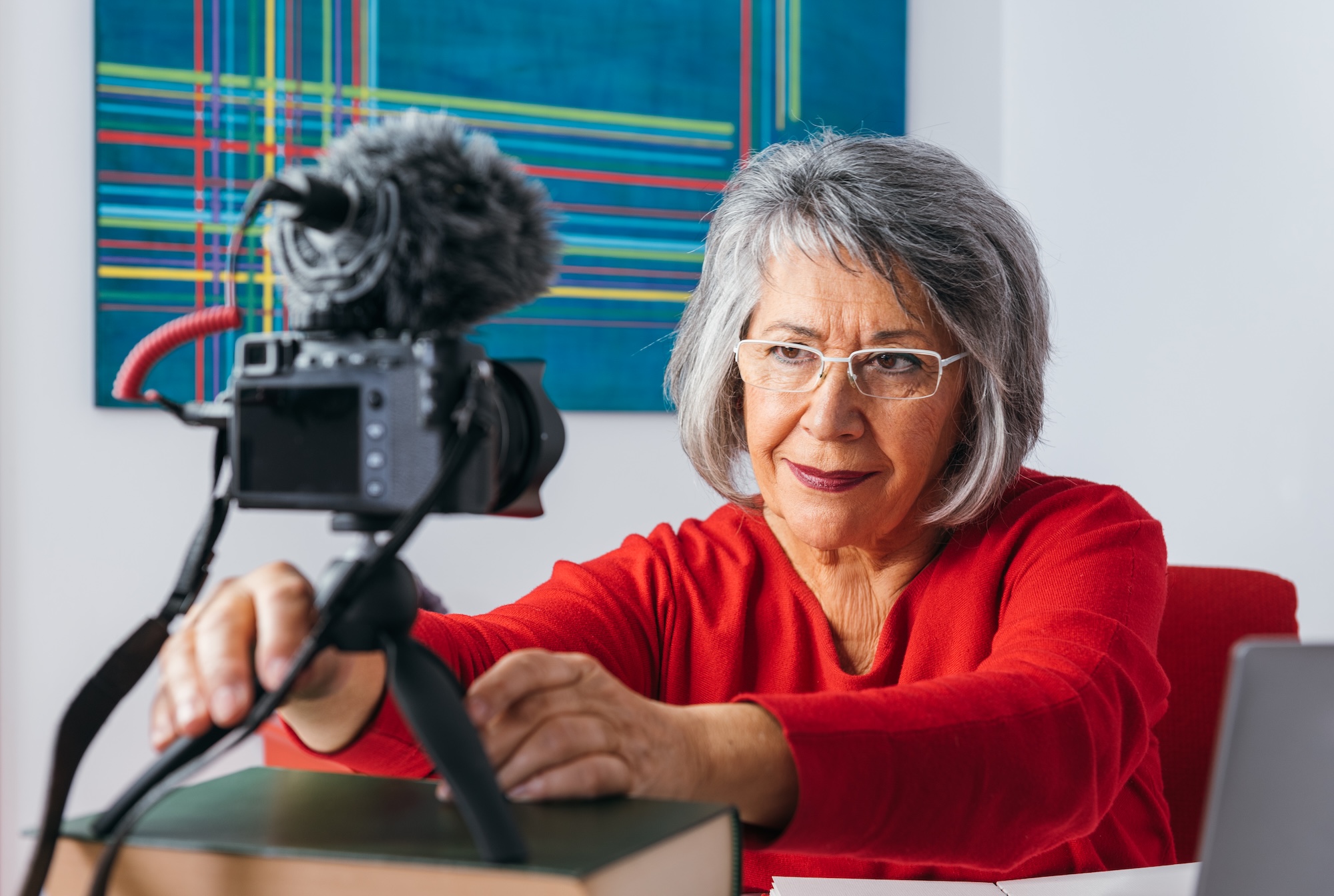
How to Keep the Video Private and Accessible
Privacy begins with deciding who should receive the recording and when.
Some parents want their children to see the video immediately after death. Others may want certain messages saved for adulthood, marriage, parenthood, or another life milestone.
Protect cloud accounts with a strong password and multifactor authentication. It’s recommended to use long passwords or passphrases and an additional authentication step because a password alone may not provide enough protection.
Encryption can add another layer of protection for files stored on devices or external drives.
Your estate plan should also identify the person authorized to manage digital assets and explain your disclosure wishes. California law allows users to give digital asset instructions through certain online tools or through a will, trust, power of attorney, or another record. An eligible online tool direction can override a conflicting direction elsewhere in the plan, so those choices should be reviewed for consistency.
A legacy video should support your estate plan, not replace properly signed legal documents. It carries your voice, while your legal documents carry your formal instructions.

Your Children May Inherit Property, Accounts, and Treasured Belongings…
But hearing your voice may become one of the gifts your children value most.
A legacy video gives you space to preserve your stories, encouragement, values, and love in a way no legal document can fully capture. With thoughtful storage and privacy instructions, that message can remain protected until the people you chose are ready to receive it.
The Law Offices of Heather Pietroforte can help you create an estate plan that protects what you own and preserves who you are. Schedule a planning session to begin building a legacy your children can inherit, hear, and carry forward.


